Technical guides
Specification guidance written from the manufacturer's test data — how to read a fire classification, when compact replaces a bonded laminate, what a weathering result actually proves.

6 min read
Compact laminate or decorative HPL: which one does the job
They are made the same way and look the same on a shade card. Structurally they are different products, and specifying the wrong one shows up at the cut edge.
7 min read
Reading a fire classification: what B-s1, d0 actually tells you
A fire classification belongs to a grade at a tested thickness, not to a product name. Most specification errors in this area come from forgetting that.
6 min read
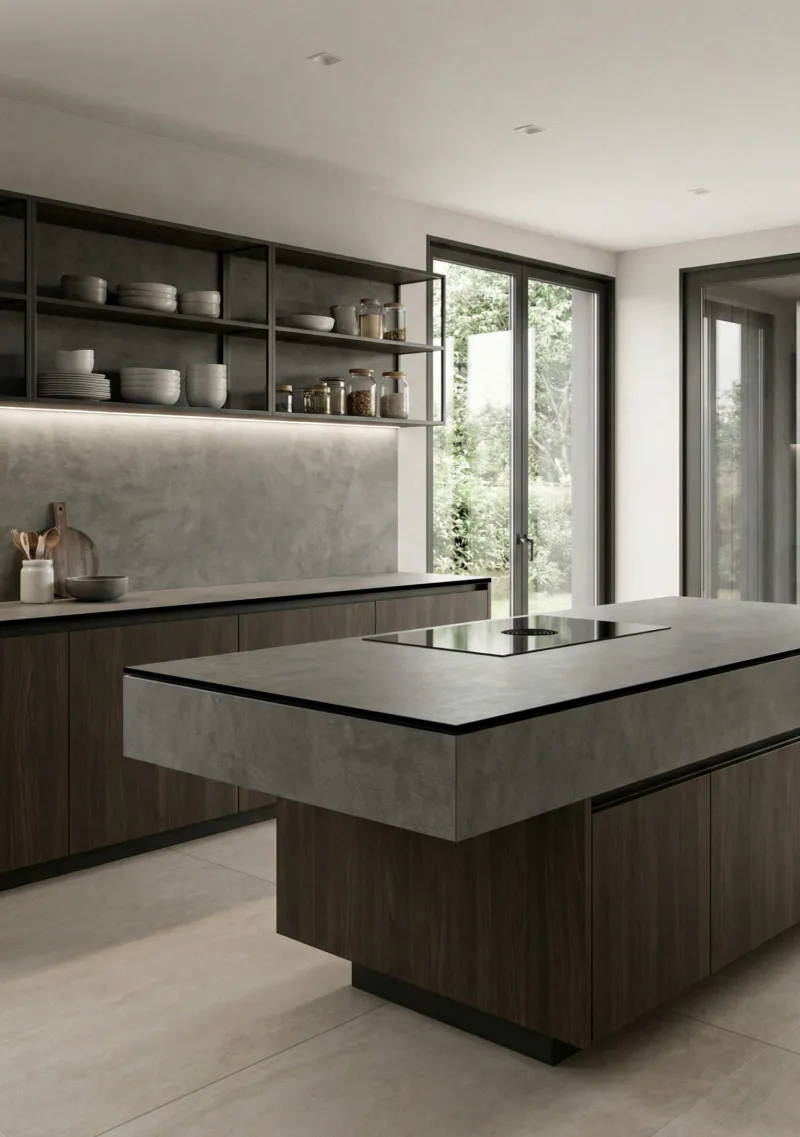
Specifying a compact worktop: what to settle before you order
A worktop specification is five decisions. Get them in the right order and the fabrication drawing writes itself.
6 min read
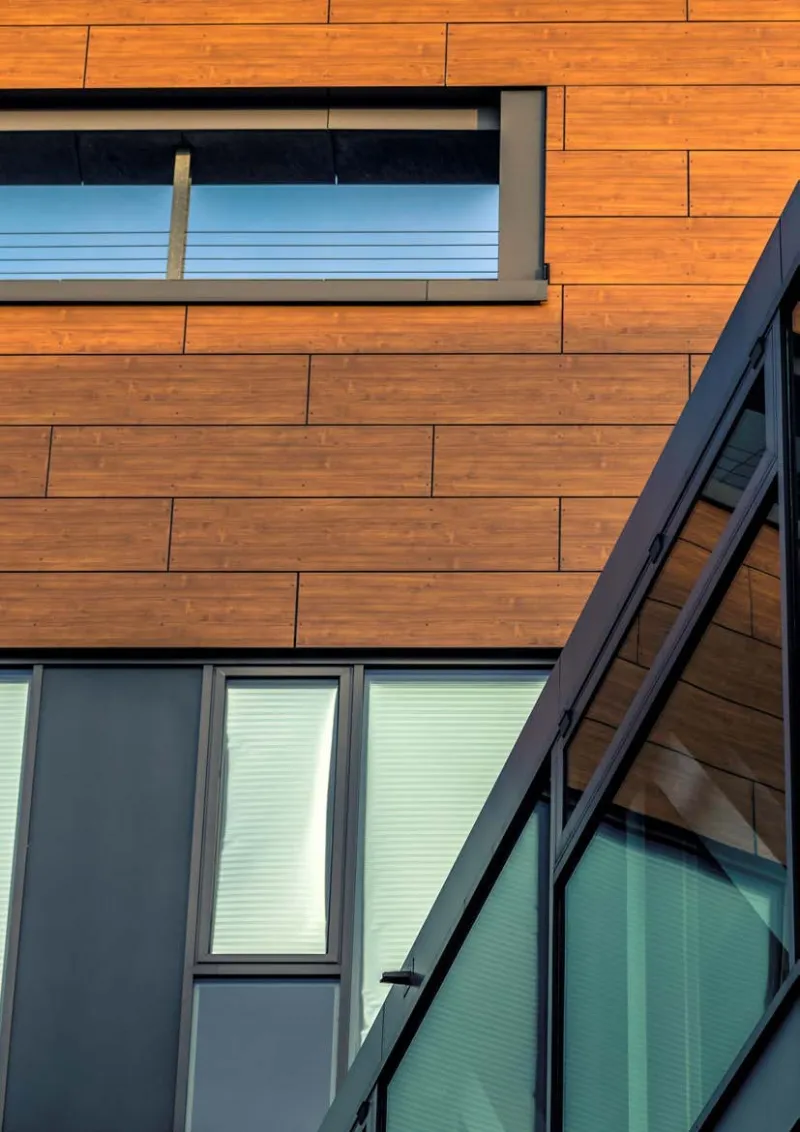
Exterior compact for ventilated façades: reading the weathering data
Exterior compact is a different product from interior compact, not the same panel with a different label. Three things decide whether a specification is sound.
5 min read
EN 438 explained: the standard behind every laminate specification
Every credible laminate data sheet is written against EN 438. Knowing how its parts divide up makes the sheets comparable.
5 min read
Panel formats and yield: why 4330 × 1830 changes a cut list
Format is usually treated as a logistics detail. On a large cut list it is the difference between a viable price and an uncompetitive one.
6 min read
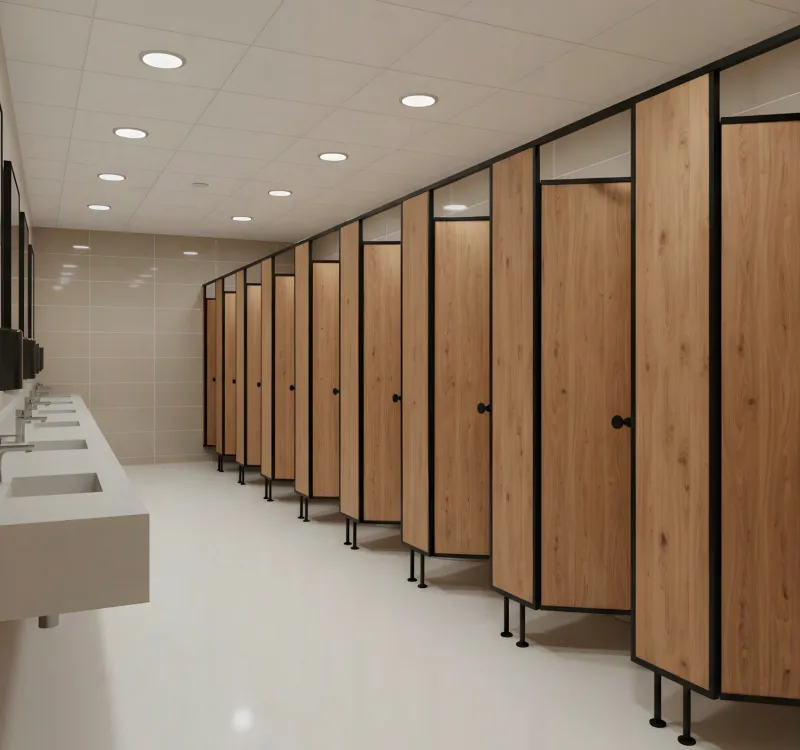
Compact panels for toilet cubicles and lockers: what decides the specification
Washrooms and changing rooms are where a surface earns its keep: water at every edge, cleaning chemicals every day and doors that get kicked. The data sheet answers most of it, if it is read in the right order.

5 min read
Compact laminate for laboratory worktops: reading chemical-resistance results
In a laboratory, chemical resistance is not one property. It is a list of substances, each with its own result — and the list is what you need to see.
5 min read
Light reflectance value (LRV): choosing decors for visual contrast
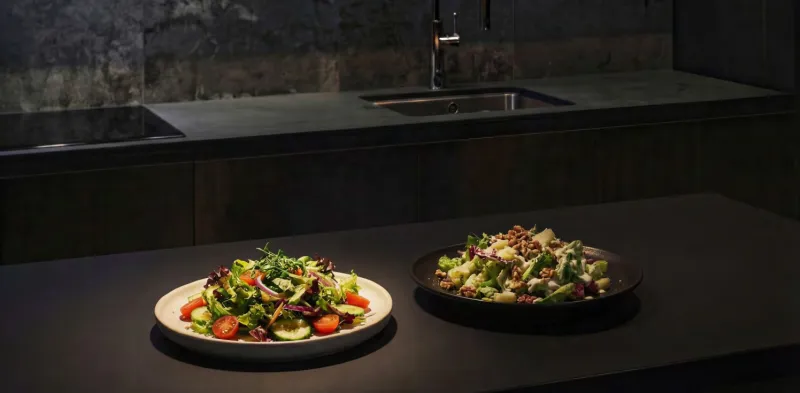
Contrast between a door and its wall, or a worktop and the floor, is what lets people with low vision find their way. LRV turns that into a number you can specify.
7 min read
Antibacterial, antiviral, food-safe: what the laminate test reports actually say
'Antibacterial' and 'food-safe' are claims. Behind each one is a specific test with a specific result — and that is what belongs in a specification.

8 min read
What architects do with HPL on a façade: a review of the European professional press
Exterior compact laminate is usually sold on performance. Read across the European professional press, it is just as much a design material — and the same sources are clear about where that freedom ends.
8 min read
HPL façades from drawing to site: what the professional press says to check
The sources agree that an HPL façade succeeds or fails at its details, not in the panel. This is what they say to settle at each stage, from the tender documents to the delivery on site.
7 min read
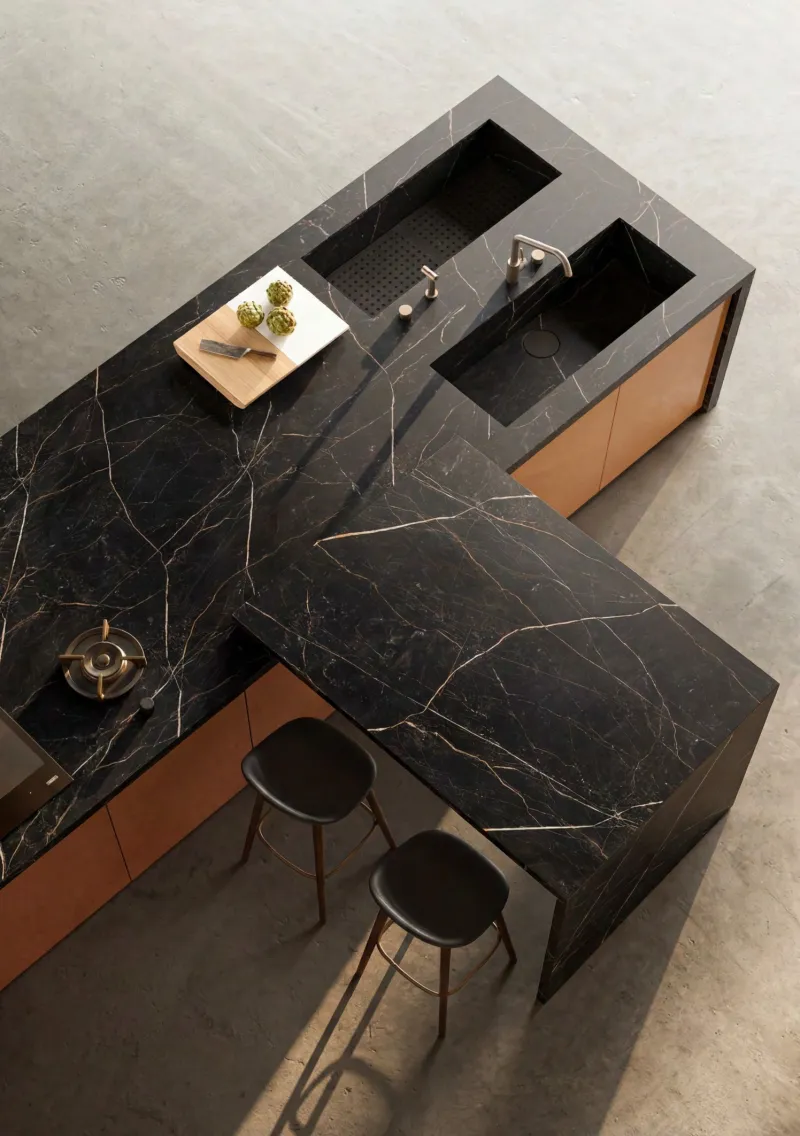
HPL in the kitchen: what the Italian design press and EuroCucina 2026 show
Italian kitchen makers use HPL for far more than a worktop on a chipboard core. The design press shows where the material is heading; the trade press shows what a thin top asks of the planner.
7 min read
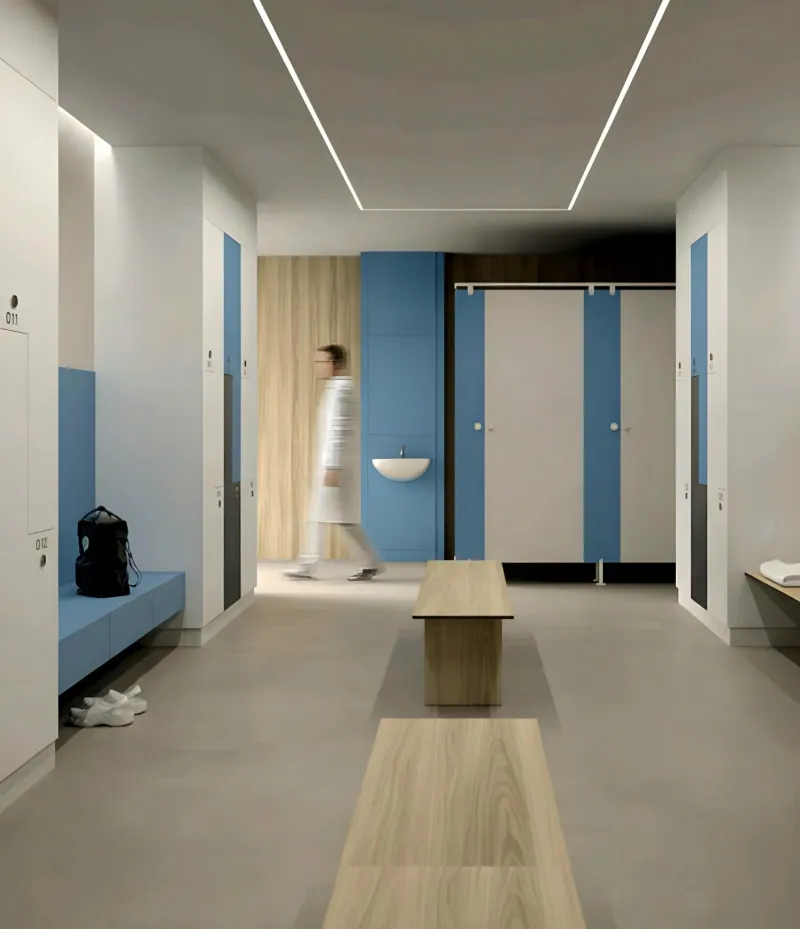
HPL in public interiors: what European technical sources ask of walls, doors and fittings
Inside a public building a surface is judged by how it survives cleaning, impact and fire rules, not by how it looks on a sample. The sources below set out those tests — and HPL can be measured against each one.
8 min read
Formaldehyde from August 2026: the EU limit for furniture and wood-based articles
REACH entry 77 halves the value behind the familiar E1 class and makes it law in every member state. The Italian furniture laboratory CATAS, the trade press and the German environment agency explain what it changes for panel buyers and furniture makers.
7 min read
Environmental claims after 27 September 2026: what furniture and building-product suppliers can still say
The rules are written for consumer communication, but they reach every supplier whose words end up on a showroom tag or a product page. The Italian and German press, a furniture laboratory and a building-products association explain where the line now runs.
8 min read
The new Construction Products Regulation: what changes for façade and interior panels
The new CPR is in force, but for most product families the familiar Declaration of Performance and CE marking carry on until new harmonised specifications arrive. The Polish building authority, the Italian technical press and the EU texts explain the timetable and what to ask for meanwhile.
7 min read
Tables with compact tops: what the European furniture standards test
A compact laminate top is dense, thin and stiff — but the tests a table must pass are written for the whole table, not the top. Italy's furniture laboratory CATAS explains the methods and the 2023 revisions.
7 min read
Ecodesign for furniture: what the ESPR will ask of furniture makers and their suppliers
The EU has ranked furniture second among the new final products in its first ecodesign working plan. No furniture rules exist yet, but the framework, the timetable and Italy's head start show what makers and their panel suppliers should get ready.
8 min read
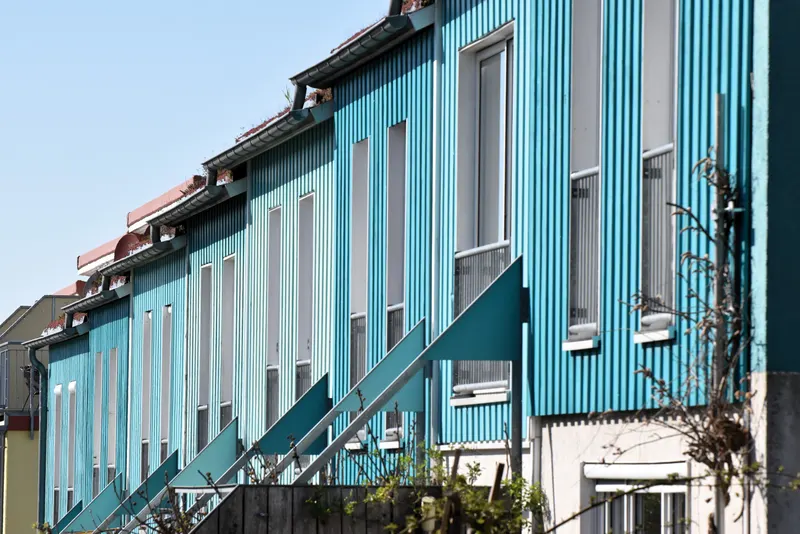
HPL or ceramic on a ventilated façade: what the European sources compare
Porcelain stoneware and HPL are both common claddings for ventilated façades, and each wins on different ground. Italian and German technical sources, a UK government advice note and the façade associations show where.
7 min read
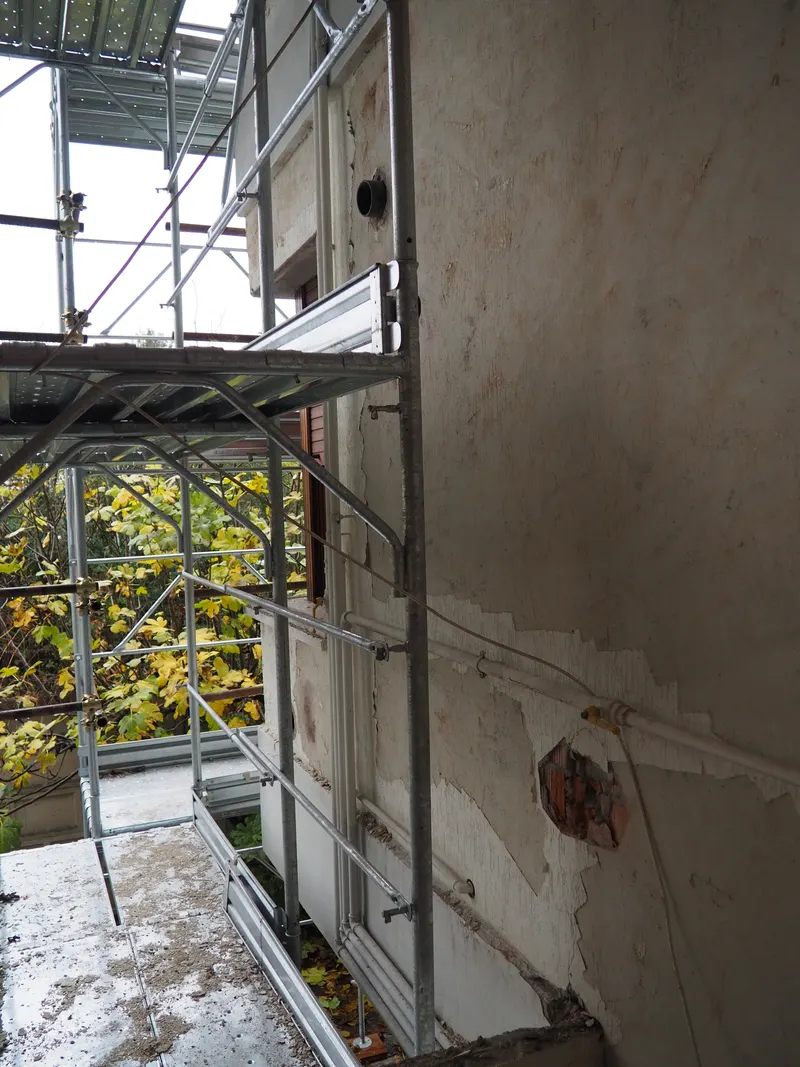
Real timber or wood-look HPL on a façade: maintenance, movement and fire
Wood is back on façades, and so is the question of how it will look in ten years. The German carpentry rules, the Swiss timber association Lignum and the EU fire classification show what real timber asks of a design — and where a wood-decor laminate is a different answer.
8 min read
Ventilated façade or render on insulation (ETICS): what the European sources compare
Most insulated walls in Central and Eastern Europe are finished with render on insulation boards. Germany's environment agency, Baunetz Wissen and the Italian building press explain where that works, where it fails — and what a ventilated façade does differently.
8 min read
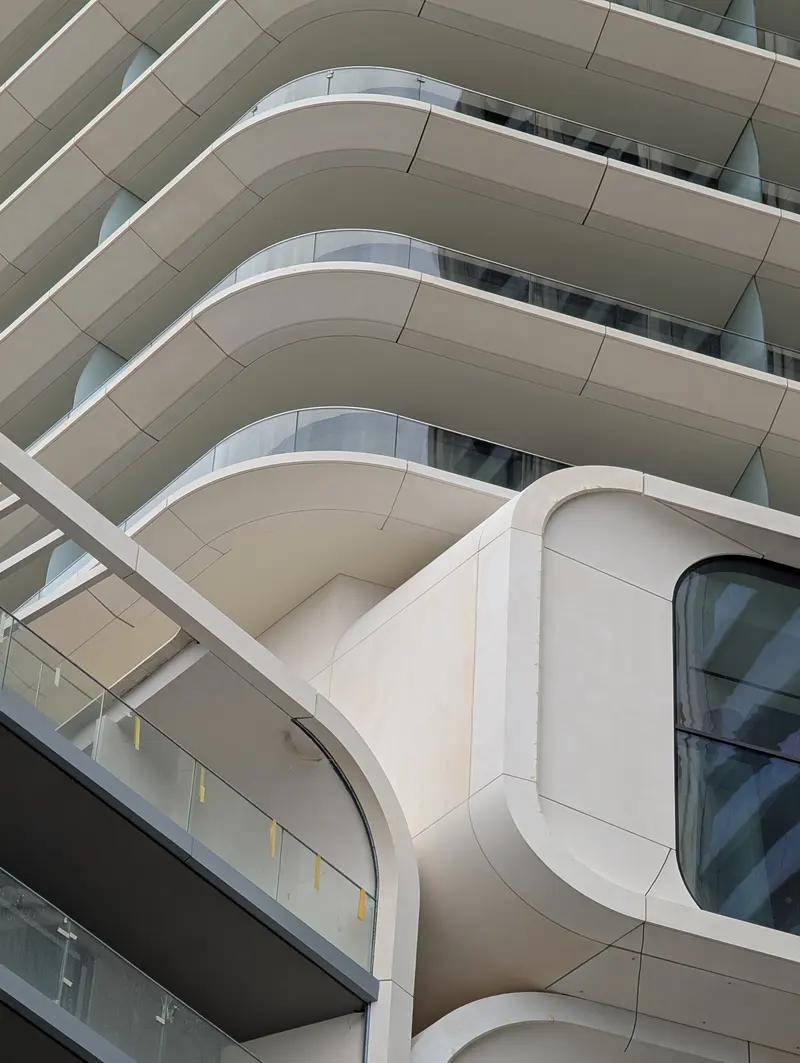
HPL or aluminium composite on a façade: what the fire rules say after Grenfell
Aluminium composite panels and HPL compete for the same ventilated façades, and both come in grades that behave very differently in a fire. The official record — the Grenfell Tower Inquiry, the UK government's tests, England's regulations and German building law — shows what separates them.
7 min read
HPL or fibre cement on a ventilated façade: weight, formats, fire and old asbestos cement
Fibre cement and HPL are the two board claddings most often hung on ventilated façades. German reference sources, a Vienna university thesis and the EU asbestos rules show where they differ — and what applies when the façade being replaced is an old asbestos-cement one.
7 min read
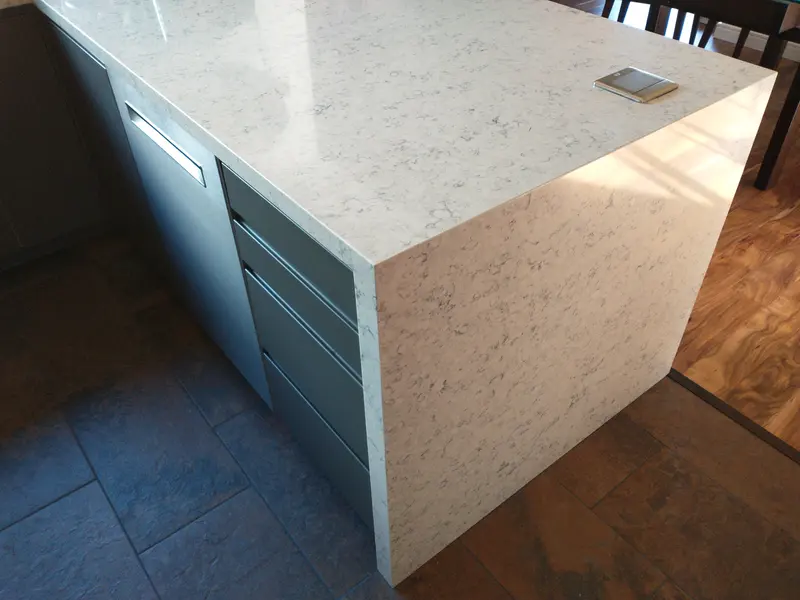
Quartz, porcelain or compact laminate worktops: the silica question for fabricators
Worktops are chosen for looks, heat and scratch resistance. For the people who cut them there is another question: crystalline silica. Spain's national occupational-safety institute, the Veneto region's health service and EU law show why quartz agglomerate needs particular care in the workshop — and where porcelain and compact laminate stand.
7 min read
Above the minimum: what Rushil's compact laminate test reports show
Every compliant compact laminate meets EN 438. The better question for a specifier is how much margin there is above it. Rushil's data sheets answer with figures — and in several properties the margin is large.
7 min read
One panel, many rulebooks: the international tests behind Rushil compact laminate
Rushil Decor sells in more than 57 countries, and a panel that crosses borders meets a different rulebook at each one. The company has had its compact laminates tested to European, American, British and Japanese methods — and publishes the reports.
6 min read
Sottsass, Memphis and laminate: how a kitchen-counter material entered the design museum
In 1981 a group of Milan designers covered their furniture in printed laminate and changed the course of design. Their pieces now stand in the Metropolitan Museum of Art and the National Gallery of Victoria — and the museums' own texts explain why the material mattered.

6 min read
Two Pritzker laureates and laminate: Frank Gehry's fish lamps and Venturi Scott Brown's chairs
Two of the most celebrated architects of the late 20th century took laminate seriously. Frank Gehry turned its shards into glowing fish; Robert Venturi and Denise Scott Brown printed a pattern on it and wrapped chairs in it. Museums from San Francisco to London keep the results.
5 min read
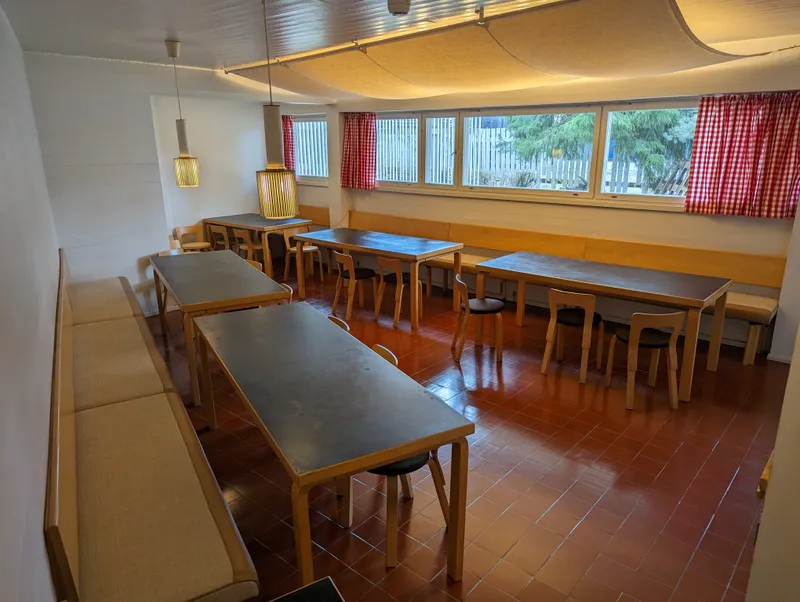
Aalto, Prouvé and the Eameses: the design classics their makers top with HPL
Few pieces of furniture are as carefully kept as the classics of modern design. The companies that make them today decide which materials are good enough for the originals — and for tables by Alvar Aalto, Jean Prouvé and Charles and Ray Eames, high-pressure laminate is on the short list.

6 min read
Grcic, the Bouroullecs and Jasper Morrison: compact HPL in today's design tables
Some of the best-known designers working today put their tables on a top of solid compact laminate. Konstantin Grcic's tables for Plank and Vitra's tables by the Bouroullec brothers and Jasper Morrison all offer a self-supporting HPL top 10 or 12 mm thick, made to go outdoors.
5 min read
Cleaning HPL and compact surfaces: what the industry guidance says
HPL needs little care, but it is not indestructible. Europe's laminate manufacturers publish one cleaning guide for the whole material. This is what it says, stain by stain.
6 min read
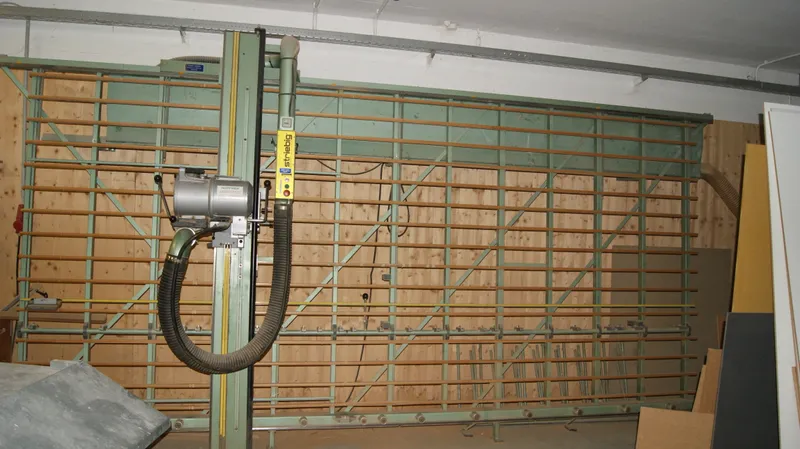
Machining compact HPL: sawing, milling, drilling and fixing
Compact HPL is worked on ordinary woodworking machines, but it is denser and harder than any board, and it moves with the climate. The industry's processing leaflet gives the numbers that decide a clean cut and a sound fixing.
6 min read
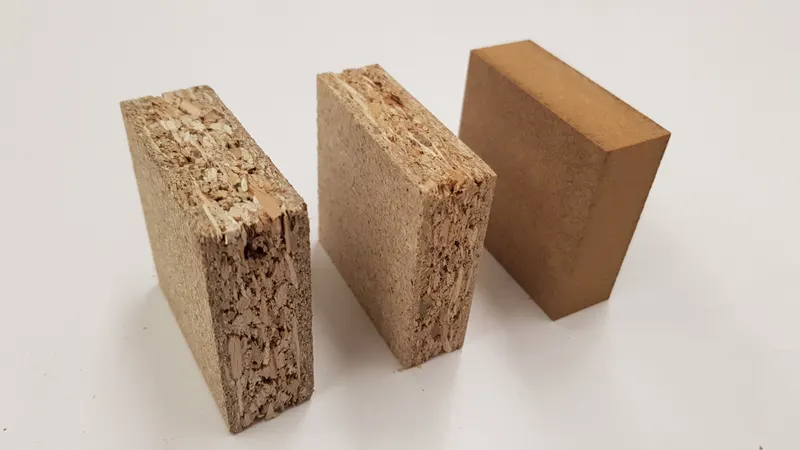
HPL and compact in bathrooms and wet rooms: cores, edges and joints
HPL has decades of use in bathrooms, showers and changing rooms. Whether a wall or a vanity unit lasts depends less on the laminate than on what is behind it: the core board, the glue line and every edge.
7 min read
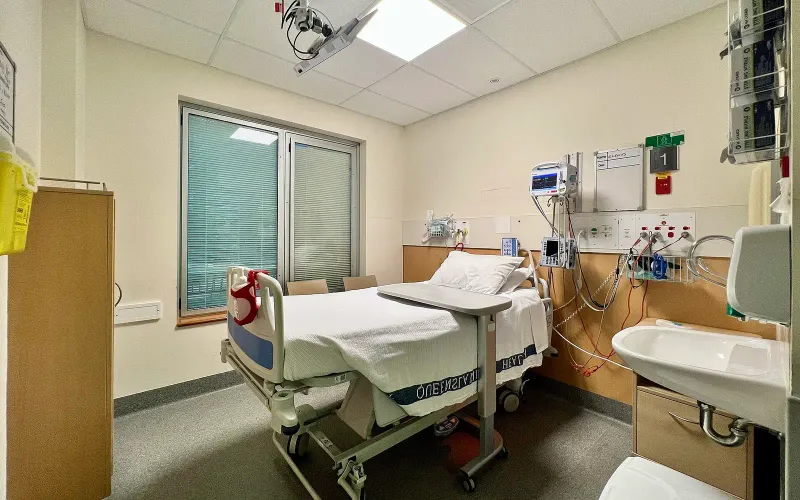
HPL in healthcare: what infection-control research has measured
Hospitals treat surfaces as part of infection control. A handful of peer-reviewed studies have put high-pressure laminate under the microscope. This is what they found, the favourable and the less so.
7 min read
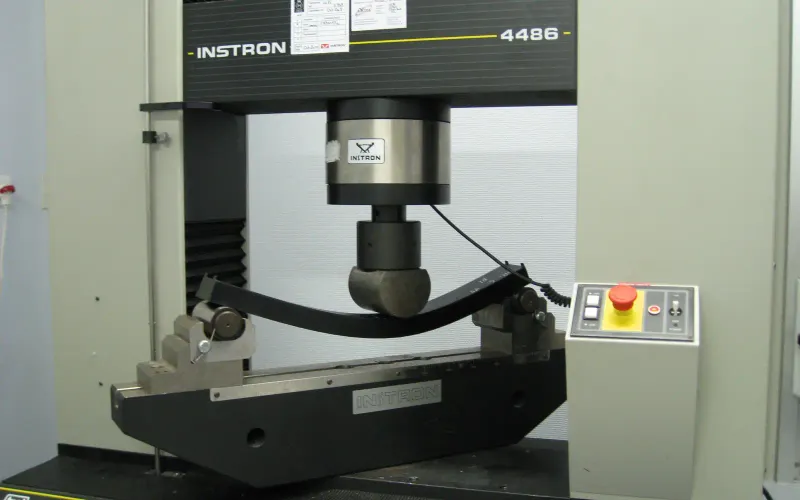
Compact HPL in materials research: strength, joints and cure
Compact HPL is sold on strength and durability. Furniture engineers and materials scientists have measured what lies behind those words, and where the material still depends on how it is worked.
7 min read
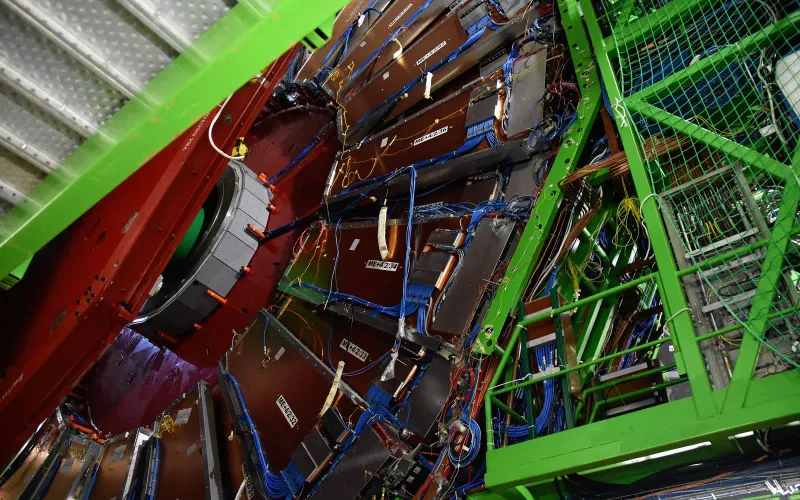
HPL at CERN: the laminate inside the particle detectors
The material family that faces a kitchen worktop lines thousands of square metres of particle detectors at CERN. Physics journals explain how it is used, and what that says about HPL.
6 min read
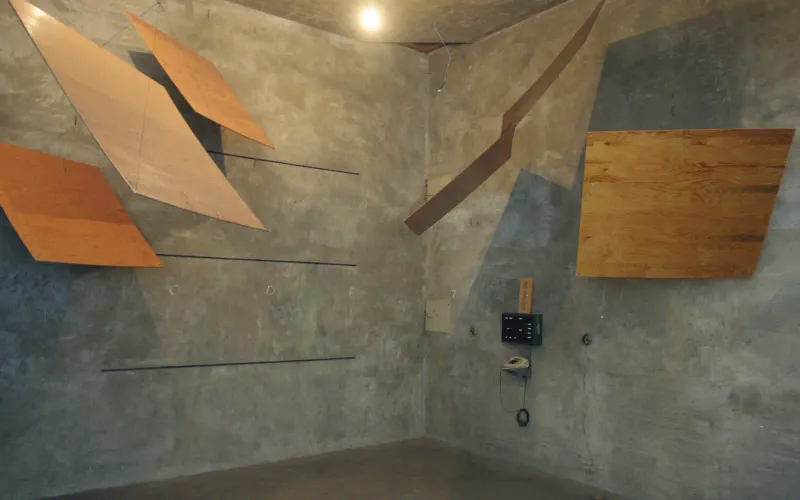
Why researchers build with HPL: bone models, sound absorbers, test rigs
HPL turns up in laboratories that have nothing to do with furniture. Read across the research literature, the reasons are the ones that make it a good worktop: known stiffness, flatness and easy machining.
7 min read
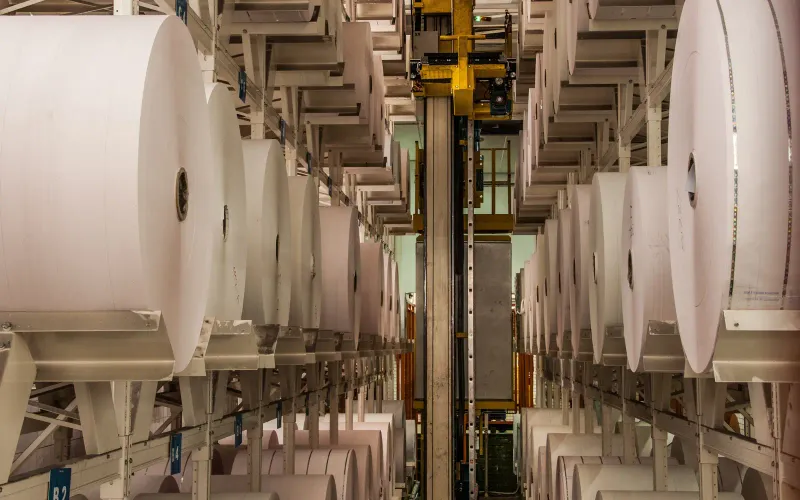
Greener HPL: lignin, sugar-based resins and a second life for waste
HPL owes much of its toughness to fossil-based phenolic resin, and making it takes energy. Laboratories in Europe, the Americas and Asia are working on both ends of the problem. This is how far they have got.
6 min read
Machining compact HPL: what cutting research measured
Industry leaflets say how to cut compact HPL. Machining researchers in Poland, the Czech Republic and Turkey measured why: the forces, the surface finish and the damage a worn tool leaves behind.
7 min read
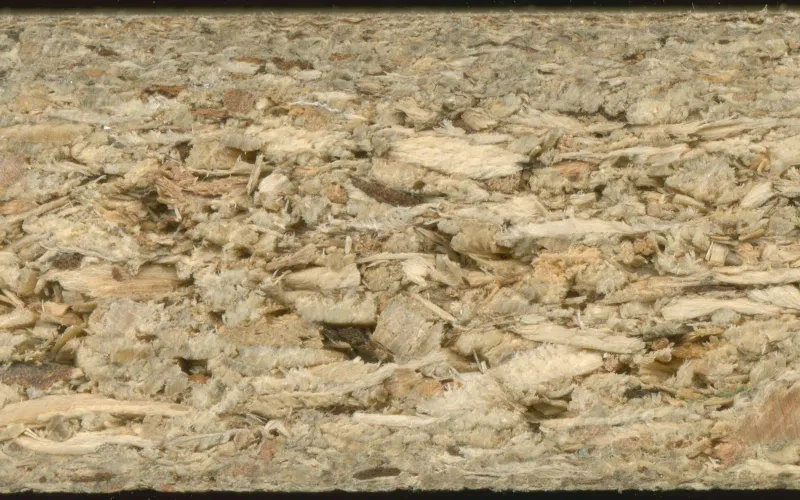
The HPL surface under the microscope: cracks, stains and fingerprints
The melamine surface is the part of HPL everyone touches. Materials scientists have studied how it forms, when it cracks and how it can be made to shed stains and fingerprints. This is what they found.
6 min read
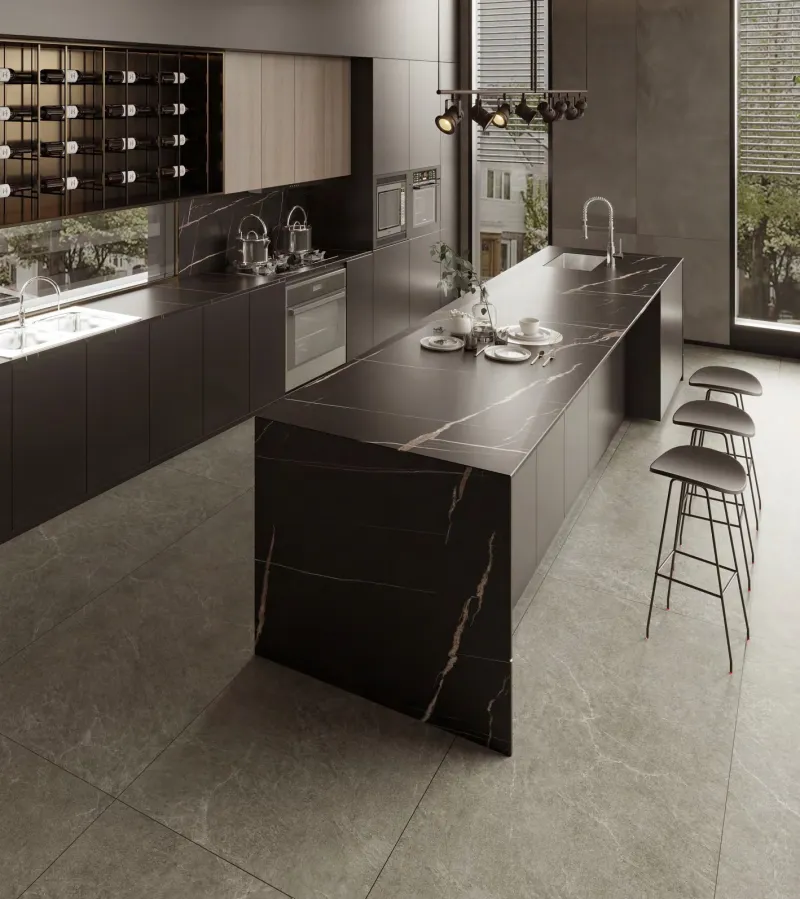
Laminate surfaces and formaldehyde: what emission research measured
Most of the formaldehyde in furniture comes from the board inside, not the surface outside. Emission researchers have measured how much a laminate surface holds back, and where it lets go.
6 min read
HPL against daily wear: what abrasion and scratch studies measured
Desks, counters and cabinet fronts are judged by how they look after years of use. Laboratory studies from Türkiye and Norway have measured how HPL resists abrasion and scratching, and what makes one surface tougher than another.

6 min read
HPL façades in summer: what heat-flow research has measured
A ventilated façade is the building's sunshade. Researchers in Barcelona have measured and modelled one clad in HPL, and found that the colour of the panels, the air gap behind them and the wall beneath decide whether summer heat gets in.
6 min read
HPL and kitchen heat: what dry-heat, steam and burn tests measured
A kitchen or bar counter meets hot dishes, steam and the occasional cigarette. Laboratory studies from Türkiye and Portugal have put high-pressure laminate through the standard heat tests, and the melamine surface comes out well.
6 min read
EUDR from 30 December 2026: where HPL and compact laminate stand
From 30 December 2026, wood, paper and wooden furniture can be placed on the EU market only with a due diligence statement. Here is what the regulation lists, where high-pressure laminate sits in the customs tariff, and what that means for panels and furniture made with it.
6 min read
Worktops in food businesses: what EU hygiene and food-contact law asks
Restaurants, canteens and food shops answer to two sets of EU rules: one on hygiene, one on materials that touch food. Read together, they describe the ideal worktop, and a compact laminate tested against them fits the description.

6 min read
Whole-life carbon from 2028: why façade and interior panels need an EPD
The recast Energy Performance of Buildings Directive makes the carbon footprint of a whole building part of its energy performance certificate. That calculation runs on product data, and an Environmental Product Declaration is how a panel supplies it.
6 min read
Hospital walls and washrooms: what NHS design guidance asks of surfaces, and where compact fits
Health Building Note 00-10 sets out what the walls, ceilings and sanitary assemblies of healthcare buildings should be made of. Read clause by clause, its requirements describe a compact laminate.
6 min read
Coffee, ink and caustic soda: what stain tests on HPL have measured
A worktop, a desk or a hospital wall meets coffee, wine, ink, cleaners and disinfectants. Laboratory studies and the EN 438 staining test show how the melamine surface of HPL stands up to them.
6 min read
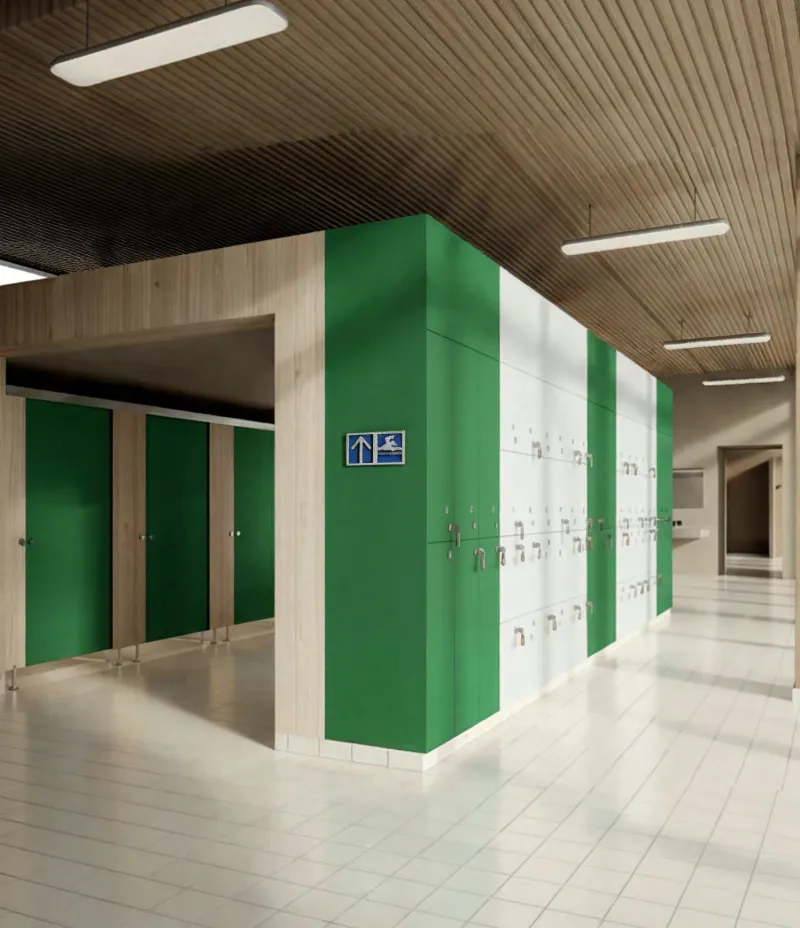
Pool halls and changing rooms: why compact suits one of the harshest indoor climates
Swimming pools combine heat, humidity and chlorine chemistry as few buildings do. Britain's safety regulator has documented what that air does to metal; here is what it means for cubicles, lockers and benches.
6 min read
FSC® and PEFC™ certified HPL: what Rushil's certificates cover and how to order it
HPL is mostly paper, and paper comes from forests. Since September 2025 Rushil can supply its laminates with an FSC or PEFC claim. Here is what the two certificates cover, what the claims mean, and how to order so that the claim reaches your invoice.

6 min read
High gloss, semi-gloss, suede or matt: choosing an HPL finish
The same decor can look deep and reflective or soft and quiet, depending on its finish. With HPL that finish is formed in the press and is part of the cured surface. Here is how gloss is measured, what the standard asks of each finish, and how to choose.
6 min read
How HPL is made: from kraft paper to compact panel
High-pressure laminate starts as rolls of paper and ends as a surface that shrugs off heat, water and wear. The process is simple to describe and exacting to run. Here it is step by step, with where Rushil's products fit.
6 min read
ISO 9001, 14001 and 45001: what Rushil's management certificates tell a buyer
A laminate is judged by its test results, and those results are only as good as the factory that repeats them sheet after sheet. That is what management-system certificates are about. Here is what Rushil's three certificates cover, how to verify them, and what the new 2026 editions of ISO 9001 and ISO 14001 mean.
6 min read
Melamine on the REACH Candidate List: what it means for HPL
The melamine resin that gives HPL its hard, cleanable surface is made from a substance the EU now lists as being of very high concern. Buyers ask what that means. In short, the duties depend on how much melamine as such is in a product, and Rushil's TOPAZ screening puts every listed substance at or below the threshold.

6 min read
The EU–India trade agreement and HPL: what changes for buyers, and what to check
The free trade agreement between the EU and India is on its way to signature, and Europe's laminate industry is watching closely. Lower tariffs would not change the rules any laminate must meet in Europe. Here is where the deal stands, what the industry worries about, and how to check a laminate made in India against each concern.
6 min read
Wet-room walls: compact panels or ceramic tiles?
Tiles are the default for showers and washrooms, and the tile itself is not the problem. The joints are. A Swedish research institute opened up bathroom walls to see what happens behind the tiles; here is what it found, and why large compact panels change the picture.
6 min read
How long does HPL last? Service life, and why it counts for carbon
A surface that has to be replaced is bought, made and fitted twice. That is why service life is becoming a number designers ask for, not a sales phrase. Here is what the laminate industry says about how long HPL lasts, why it now counts in carbon calculations, and what Rushil's tests show about the wear behind it.
6 min read
Will the colour last? Light fastness of HPL compared with wood
Wood changes colour in light: it yellows, darkens or fades, even indoors under ordinary lamps. For many uses that is part of its charm. Where a colour has to stay as specified, a printed HPL decor is built to hold it. Here is what the research on wood shows, how light fastness is tested, and what Rushil's laminates achieve.
8 min read
Fire classes A1 to F explained: A2-s1,d0, D-s2,d0, Bfl-s1 and their national names
Every construction product in Europe is classed the same way: a letter for its part in a fire, an s for smoke and a d for burning droplets. Here is what each part measures, how floors differ, why a class is not a number of minutes, and what Polish, German, French and British rules call the same performance.
7 min read
Laboratory worktops compared: compact laminate, epoxy resin, stainless steel or solid surface
Laboratory planners choose a bench by the chemistry on it. The design guidance of the US National Institutes of Health and of Yale University shows where each material belongs, and why the phenolic panels American laboratories use belong to the same family as European compact laminate.
7 min read
Impact-resistant walls and doors in schools, hospitals and airports: which HPL, and what the ball tests show
Corridors, classrooms and terminals punish surfaces with trolleys, bags and feet. Here is which HPL goes on a wall and which on a door, what the EN 438 impact tests really measure, how to read the results on a data sheet, and where a panel still needs a crash rail.